





DRAG
WANBAO MINING & ENGINEERING Co Ltd

MissionZero ZeroWaste programme, collaboration, innovation and digitalization will take us there as we look beyond what can be achieved today.

Get In Touch

img

Plot 19, Kyambogo View Road,

Ministers Village, Ntinda, Kampala


P.O.Box 195671, Kampala

Limestone is a crucial natural resource that underpins Africa’s economic development, playing a significant role in construction, agriculture and industry

  • Home
  • Limestone is a crucial natural resource that underpins Africa’s economic development, playing a significant role in construction, agriculture and industry
Blog Image

Limestone is a crucial natural resource that underpins Africa’s economic development, playing a significant role in construction, agriculture and industry

Many African countries, including Uganda, Kenya, Tanzania, Rwanda, Ethiopia, Nigeria, South Africa, Egypt, Morocco and Mozambique are rich in limestone deposits, making it a key material for cement production, which is vital for infrastructure development. Cement is the backbone of Africa’s rapidly expanding urbanisation, enabling the construction of essential infrastructure like roads, bridges, and housing, which are critical for supporting growing populations and economic activities across the continent.

In agriculture, limestone enhances soil fertility by neutralising acidic soils, which are prevalent in many parts of Africa. By improving soil quality, it boosts agricultural productivity, directly impacting food security and supporting the livelihoods of millions of smallholder farmers. Limestone is also used in animal feed to provide essential calcium, which is crucial for livestock health. This dual application in crop and livestock farming highlights limestone’s importance in Africa’s agricultural sector, where it plays a critical role in sustaining rural economies.

Industrially, limestone is essential in processes such as steel manufacturing and water treatment. In the steel industry, it acts as a flux, removing impurities from molten iron and improving the quality of the steel. Additionally, limestone is widely used in water treatment to neutralise acid mine drainage, a common environmental issue in mining regions across Africa. By purifying water and reducing pollutants, limestone helps industries adopt more sustainable practices, contributing to overall environmental protection and economic growth.

There are significant environmental benefits, particularly in carbon sequestration and pollution control. Its chemical properties allow it to capture and store carbon dioxide, aiding in the reduction of greenhouse gas emissions and supporting efforts to combat climate change. Moreover, limestone is used in flue gas desulphurisation to reduce sulphur dioxide emissions from power plants, helping to mitigate air pollution and improve environmental health across the continent.

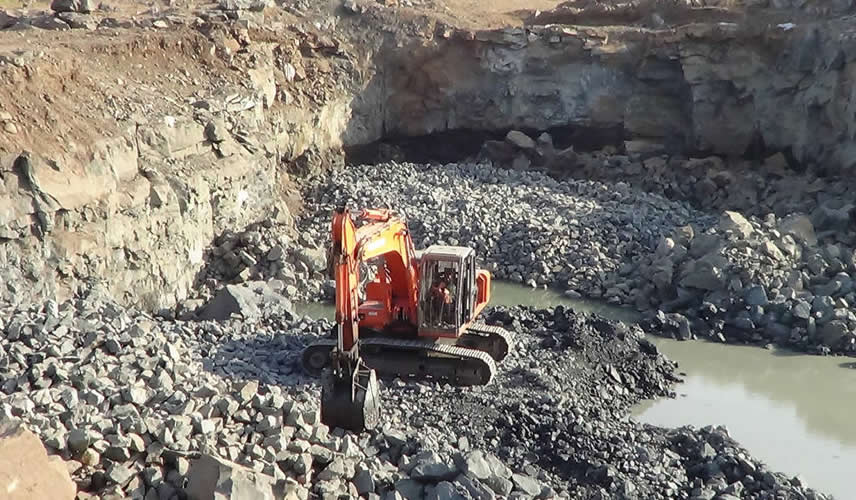
The mining of limestone significantly contributes to local economies in African countries rich in this resource. In the East African region, Nigeria and South Africa, limestone extraction creates employment opportunities, drives regional economic development, and supports related industries. Additionally, some countries benefit from exporting limestone, generating foreign exchange earnings and bolstering their global economic standing. These economic contributions are particularly impactful in rural areas where limestone mining often provides a primary source of income and community development.

Overall, limestone is indispensable to Africa’s growth, playing a multifaceted role in supporting economic development, enhancing agricultural productivity, and contributing to environmental sustainability. As African nations continue to develop, the strategic importance of limestone will only increase, reinforcing its status as a vital resource that supports the continent’s future prosperity and resilience.

Limestone is the backbone of modern society, providing safe housing, workplaces and infrastructure that support economic growth

Wanbao Mining & Engineering